
Which Garmin will survive your next adventure — and your playlist?
Ready for gear that actually keeps up? You want accuracy, long battery life, and features that don’t quit when the trail gets rough. No one needs a dead GPS mid-climb or a watch that drains on long training blocks.
You can shop right on Amazon and skip the guesswork. This roundup covers 7 Garmin picks — from rugged solar beasts to music-ready running watches — so you can find the right tool fast.
Top Garmin Picks



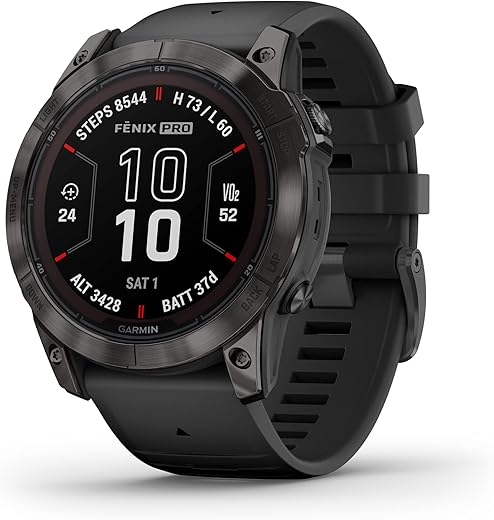
fēnix 7X Pro Sapphire Solar Multisport Watch
You’ll get industry-leading battery life, rugged materials and solar charging that extend time between charges during long trips. Built-in maps, multi-band GNSS and a flashlight add practical utility when you’re off-grid.
Pros
- Exceptional battery life with Power Sapphire solar lens
- Rugged build with scratch-resistant sapphire and titanium options
- Advanced navigation and mapping plus built-in LED flashlight
- Comprehensive health and training analytics
Cons
- Large 51 mm case may be too big for some users
- High price point relative to mainstream fitness watches
Designed for the long haul
The fēnix 7X Pro Sapphire Solar targets outdoors users and multisport athletes who need a tough watch that can stay powered through long adventures. Solar charging paired with a high-capacity battery reduces the need to carry a charger on trips.
Notable hardware and navigation
You’ll benefit from a large, easy-to-read 1.4" display, multi-band SatIQ GNSS for better positioning, and preloaded TopoActive maps. The built-in flashlight is a useful, pragmatic addition for campsite tasks or night navigation.
- Power Sapphire solar charging to extend smartwatch runtimes
- Multi-band GNSS with SatIQ for improved accuracy in difficult signal conditions
- Hill score, endurance score and other advanced training metrics
Those features make it an appealing choice if you want accurate tracking and long autonomy when hiking, backpacking or racing long courses.
Limitations and practical notes
The watch is feature-dense and somewhat heavy; if you prefer a low-profile daily wearer you may find it overbuilt. The interface provides many customizations but requires time to fully master. Expect to replace or customize the strap for comfort during sleep if you want continuous monitoring.
How you’ll use it
If you invest in this model, plan to leverage its mapping and battery advantages on multi-day hikes or extended races. The rugged construction and sapphire lens help it withstand rough use; just be mindful of the weight and dial size when selecting strap options for long-wear comfort.
Forerunner 955 GPS Triathlon Smartwatch
You get a deep suite of training metrics and race-focused tools that help you plan and execute longer efforts. Battery life and multi-band GPS make it reliable for long sessions and mixed-sport workouts.
Pros
- Comprehensive training and recovery metrics (HRV, training readiness)
- Long battery life for multi-day use
- Accurate multi-band GNSS positioning and full-color maps
- Hybrid input: buttons plus responsive touchscreen
Cons
- Large case can feel bulky for smaller wrists
- Steeper learning curve for new users
What it is and who it's for
Forerunner 955 is built for serious runners and triathletes who want a watch that combines advanced training analytics with practical race-day tools. You’ll find features aimed at planning, pacing and recovery — from race widgets and daily suggested workouts to HRV-based training readiness.
Key features and benefits
You’ll appreciate how the 955 bundles high-end sensors with flexible controls: multi-band GNSS for robust GPS accuracy in dense environments, full-color maps for navigation, and a touchscreen that complements the traditional button layout.
- Training readiness, HRV status, and morning report for day-to-day planning
- Full-color, built-in maps and navigation aids for courses and trails
- Up to 15 days battery in smartwatch mode and long GPS runtimes
These details mean you can train across disciplines and trust the data to inform pacing and recovery decisions. The race widget is helpful if you want predicted finish times and adaptive pacing cues based on course and weather.
Practical considerations and limitations
The watch is feature-rich, which also means there's an initial setup and learning period. If you want a simple, consumer-style smartwatch experience, you may find the interface and menu depth a bit much at first. The case size is substantial — on smaller wrists it can feel bulky, particularly if you plan to sleep with it for overnight recovery tracking.
Real-world usage notes
If you routinely do long runs, brick workouts or race prep, the 955’s battery and navigation options reduce stress about mid-session charging or lost routes. If you value highly accurate performance metrics and proactive recovery guidance, you’ll get a lot from this device — but expect to spend some time customizing data fields and learning the ecosystem.
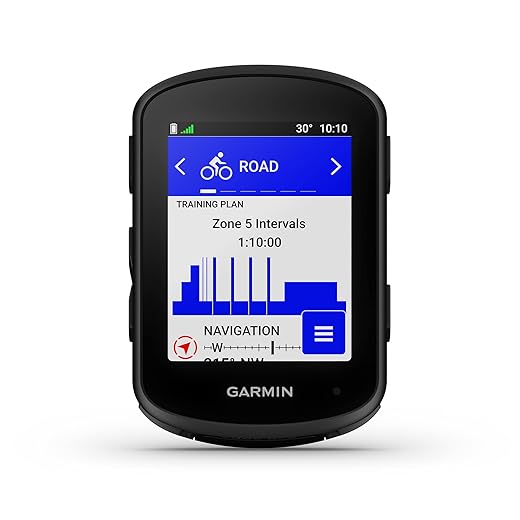
Edge 1040 GPS Bike Computer Bundle
You get a high-end bike computer with long battery life, multi-band GNSS, and a large readable screen for hours in the saddle. The device integrates well with power meters and training platforms for detailed post-ride analysis.
Pros
- Multi-band GNSS for accurate positioning in challenging environments
- Long battery life (35+ hours) with extensive navigation features
- Bundled sensors and mounts in some packages for out-of-the-box use
- Deep integration with training platforms (Strava, TrainingPeaks, Komoot)
Cons
- High cost compared to entry-level units
- Complex feature set demands time to learn
Purpose and audience
The Edge 1040 is aimed at riders who want a top-tier navigation and training computer for road, gravel or off-road use. You’ll benefit most if you pair it with power meters, cadence/speed sensors and heart-rate monitors to unlock its full coaching and analysis potential.
Navigation and performance features
The device delivers a large, bright color touchscreen, multi-band GNSS for superior accuracy, and sophisticated course-specific guidance. It also supports data sync to platforms like Strava and TrainingPeaks and can provide power-based pacing guidance on compatible setups.
- Advanced route planning and ride-type-specific maps with turn-by-turn directions
- Power Guide, stamina insights and course demand comparisons for training
- Up to 35 hours battery life in demanding use cases; extended saver modes available
This makes the 1040 suited for long training rides, multi-day events and riders who want precise metrics to steer workouts and pacing.
Limitations and practical guidance
If you’re new to bike computers, the volume of options and screens can be overwhelming; plan time to configure and practice before a big event. The 1040 is a higher purchase tier — but for serious cyclists its data accuracy, connectivity and battery life justify the investment.
Real-ride experience
You’ll appreciate how the unit stays readable in bright sun and how quickly it uploads ride files via Wi‑Fi. If you value a reliable, full-featured device that coordinates sensors and training plans with minimal fuss after setup, the 1040 delivers consistent performance on long rides.
Venu 3 AMOLED Smartwatch with Speaker
You get an AMOLED display with strong health monitoring, long battery life, and an on-wrist speaker and microphone for calls. The watch targets users who want the look and responsiveness of a consumer smartwatch with Garmin's health analytics.
Pros
- Bright 1.4" AMOLED screen with crisp visuals
- Built-in speaker and microphone for calls and voice assistant
- Comprehensive health tools (sleep coach, HRV status)
- Up to two weeks of typical battery life
Cons
- Premium features at a mid-to-high price
- Some advanced metrics benefit from external sensors
Who should consider the Venu 3
Choose the Venu 3 if you want an attractive AMOLED smartwatch that still focuses on health and fitness. It’s a good fit for users who want smartphone-like interactions (calls, assistants) without losing battery life typical of many color-screen devices.
Display and connected features
The Venu 3’s 1.4" AMOLED panel gives you vivid watch faces and easy-to-read workout animations. The integrated speaker and microphone let you take calls from the wrist and use voice replies when paired with a phone.
- Animated on-screen workouts and built-in sports apps for many activities
- Body Battery energy monitoring, Sleep Coach and HRV status for recovery insight
- Garmin Pay and music storage for convenience
These features let you handle daily life, workouts and quick phoneless sessions (music, payments) without juggling devices.
Practical limitations and tips
While the display is a highlight, using heavy sensors (always-on GPS or frequent music streaming) will reduce battery life compared to light daily use. Some power users want deeper training metrics available on the Forerunner or fēnix lines, so assess whether you need advanced endurance or triathlon features before buying.
Everyday use advice
If you value an attractive screen, long battery life and practical health insights, this watch meets those needs. Customize complications and widgets in Garmin Connect to surface the metrics you check most, and consider a different strap if you wear it for long sleep-tracking sessions.
Forerunner 255 Music GPS Running Watch
You get adaptive training guidance, robust GPS performance and on-device music storage without stepping up to the highest price tiers. Battery life and connected features make it a practical daily driver for runners.
Pros
- Adaptive daily suggested workouts and race widget
- On-device music storage (500 songs) and streaming app support
- Excellent battery life for its class
- Compact, lightweight design suitable for everyday wear
Cons
- Some advanced metrics require external sensors
- Interface can be non-intuitive until you learn menus
Why choose it
The Forerunner 255 Music strikes a strong balance between training capability and everyday convenience. If you want guided workouts, race planning and the ability to leave your phone at home with playlists on your wrist, this is a sensible pick.
Standout features
The watch offers features you’ll use day-to-day and during training, including HRV-based morning reports, multi-band GPS for improved positioning, and Garmin Coach plans.
- Up to 14 days battery in smartwatch mode and solid GPS runtimes
- Music support with downloads from Spotify, Deezer and Amazon Music
- Training status, running power metrics (with accessories) and recovery guidance
These features let you follow structured plans and track progress without constant phone dependency. The smaller 41 mm option keeps weight and footprint friendly for many users.
Limitations and tips
Some measures—like continuous wrist-based running power—are improved when you add a Running Dynamics Pod or HRM-Pro. Also, if you rely on immediate out-of-the-box simplicity, expect a short learning curve to configure screens and alerts.
Practical advice
If you run frequently and want an on-wrist music/player plus adaptive coaching, the 255 is a compact, lower-cost alternative to pro-tier Forerunners. Swap the stock band if you find the default strap uncomfortable, and spend a bit of time in Garmin Connect to tailor data fields to your needs.
Edge 840 Compact GPS Cycling Computer
You get a compact cycling computer with both touchscreen and physical buttons that works well in varied conditions. Targeted adaptive coaching and ClimbPro make it useful for riders focused on training progression and route management.
Pros
- Touchscreen plus button controls for flexible use
- Adaptive coaching with power and heart-rate pairing
- Multi-band GNSS delivers better positioning under cover
- ClimbPro and course-demand insights for structured rides
Cons
- Smaller screen than flagship models may limit field display
- Some users find Garmin UI less intuitive initially
Who it's built for
Edge 840 is a strong choice if you want a capable cycling computer that balances compact size with advanced training features. It’s suitable for club riders, gravel grinders and racers who want adaptive guidance without the bulk of larger head units.
Main features and advantages
The unit combines a responsive touchscreen with physical buttons so you can operate it with gloves or in wet conditions. Pair it with a power meter and heart-rate strap to unlock targeted adaptive coaching and stamina insights that help you ride smarter.
- Multi-band GNSS for improved positional accuracy in dense tree cover or urban canyons
- ClimbPro ascent planner (now available on every ride) and ride-type maps
- Up to 26 hours battery life in demanding scenarios and battery-saver modes
Those features make it versatile across gravel, road and indoor trainer sessions where accurate navigation and pacing matter.
Practical limitations and tips
The Edge 840’s UI is rich but can feel cluttered if you don’t spend time tailoring screens. If you frequently switch bikes, take time to set up profiles and mounts so your data fields remain consistent between setups. Also, while the screen is readable, those who favor very large displays may prefer the 1040 instead.
Bottom line for users
If you want an adaptable and relatively compact computer with solid navigation and coaching features, the 840 is a balanced pick. Spend some time customizing the pages and connect it to your preferred apps (Komoot, Strava) to streamline route sync and post-ride analysis.
Instinct 2 Solar Rugged GPS Outdoor Watch
You get a no-nonsense, durable GPS watch with strong battery life and solar charging that’s ideal for outdoor adventures. The monochrome display and button controls prioritize reliability and readability over flashy visuals.
Pros
- Rugged MIL-STD design with long solar-augmented battery life
- Simple button interface that works in all conditions
- Multi-GNSS support with ABC sensors for navigation
- Good baseline health tracking and activity profiles
Cons
- Monochrome screen lacks color mapping and touch input
- Initial setup and app sync can feel clunky for some
The core concept
Instinct 2 Solar focuses on durability and endurance. If you spend time outdoors and want a dependable watch that can go days or even weeks without charging, this model gives you that with a straightforward, no-frills approach.
Durable hardware and power management
The watch’s solar charging capability and power manager let you extend runtime dramatically when you’re outside. The physical buttons work reliably in wet or gloved conditions, and the fiber-reinforced polymer case resists shocks and temperature extremes.
- Solar charging for extended smartwatch and GPS modes
- Built-in ABC sensors (altimeter, barometer, compass) and multi-GNSS support
- Water-rated to 100 meters and Corning Gorilla glass for abrasion resistance
You’ll find the Instinct ideal for hiking, mountain biking and heavy-duty field use where you don’t want to babysit a fragile color screen.
Usability and trade-offs
The monochrome display means you won’t get full-color maps or the same visual polish as AMOLED devices, and the interface is button-driven rather than touch-first. Some users report hurdles during initial pairing and configuration, so expect a short troubleshooting phase when you first set it up.
Practical tips
If you want extreme battery life and robustness at a reasonable price, this is a great choice. Consider swapping to a more comfortable band for 24/7 wear if you plan to track sleep continuously; otherwise, the default strap is durable for rough use.
Final Thoughts
Pick the fēnix 7X Pro Sapphire Solar if your priority is true off-grid endurance. It pairs industry-leading battery life, solar charging, multi-band GNSS and detailed maps with rugged materials and a built-in flashlight — ideal for multi-day hikes, backcountry navigation, and anyone who wants a watch that barely needs babysitting.
Choose the Forerunner 955 GPS Triathlon Smartwatch if you’re focused on structured training and races. Its deep training metrics, race planning tools, reliable multi-band GPS and lightweight profile make it the best option for serious triathletes and runners who want performance data and race-ready features without extra bulk.
