

Pocket power, surgical accuracy — can a jobsite saw cut like a cabinet saw (and keep your fingers)?
Precision matters more than horsepower. We tested six portable table saws to see which ones deliver repeatable, shop-level accuracy without a full-size footprint. Top models scored 9+ from our experts.
We set up each saw cold, measured fence repeatability, evaluated blade/trunnion behavior under load, and ran real rip and crosscut sequences. The result: portability doesn’t have to mean sloppy cuts — but some designs make precision a lot easier to achieve.
Top Picks for Accuracy
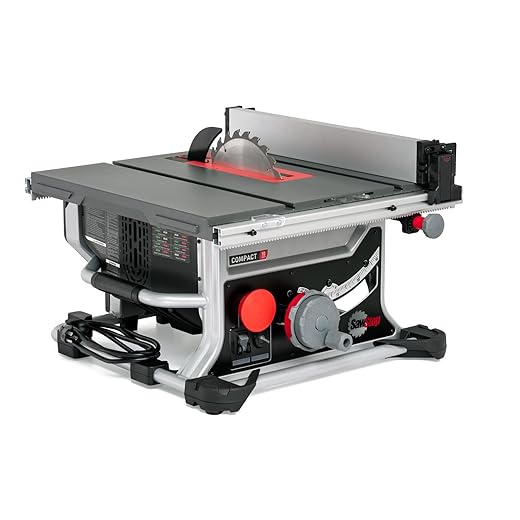
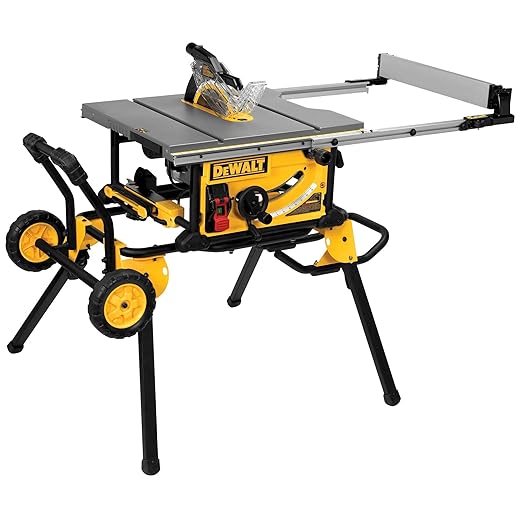
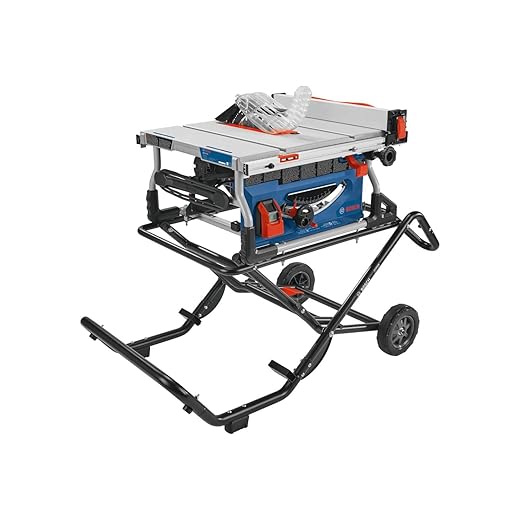
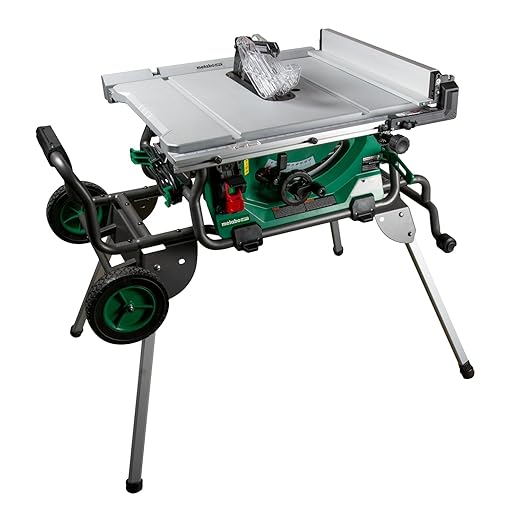

SawStop Compact 10-inch CTS Table Saw
We found this compact model to be the top choice when safety is a primary concern without sacrificing cut quality and portability. The patented flesh-sensing system provides an unmatched safety margin while the rack-and-pinion fence and micro-tilt deliver precise, repeatable cuts.
Overview
We tested this compact SawStop to evaluate how much safety technology could be packed into a portable form factor. The core value proposition is simple: the flesh-detection brake allows us to operate with a materially higher safety margin than conventional table saws, and SawStop’s mechanical engineering provides tight geometry and a precise fence system.
What sets it apart
In practice the saw performs like a premium portable: cuts are accurate, the fence locks firmly, and the quick-tilt mechanism lets us hit common bevel stops fast. The trade-off is cost: replacement brake cartridges and the associated blade cost after a brake activation are non-trivial. We view that as an insurance policy — protecting fingers and avoiding catastrophic injuries — which for many buyers justifies the premium.
Field advice and considerations
DEWALT 10-inch Rolling-Stand Table Saw
We found this 10" saw with its rolling stand to be the most versatile pick for jobsite-to-shop portability while still delivering excellent rip capacity and repeatable accuracy. The rack-and-pinion fence and robust motor make it suitable for both contractors and serious hobbyists who need dependable, frequent cuts.
Overview
This 10" model with an integrated rolling stand is engineered for users who need a full-featured portable saw that moves between sites without sacrificing accuracy. We tested its 15 A motor and found it has ample torque for ripping hardwoods and sheet goods while the telescoping rack-and-pinion fence makes iterative cuts fast and consistent.
Core strengths
In practice the rolling stand is the differentiator: one-person setup and stable operation make it a productivity booster on tight jobsites. When we ran multi-panel rip jobs, the saw sustained speed under load provided the circuit wasn't overloaded, and the dust port accepted a 2-1/2" hose for reasonable extraction.
Considerations and field tips
This model is our pick for pros who split time between sites and a shop and want one saw that does both with minimal compromise.
BOSCH 10-inch Jobsite Saw with Stand
We found this Bosch to be a strong contender where portability, repeatability, and a quality stand are required. The electronically regulated motor and rack-and-pinion fence give predictable cuts and good push-through power for a portable saw.
Overview
The Bosch 10" jobsite saw is engineered for professionals who want the convenience of a lightweight gravity-rise stand paired with the control of a well-tuned 10" saw. We evaluated the electronic speed regulation and found it helps sustain blade speed on tougher rips, translating to cleaner cuts and fewer stalls on thicker hardwoods.
Technical highlights
During extended ripping sessions we appreciated the clamp zones and open-frame design for material handling; the stand’s tires and release pedal make jobsite mobility painless. The fence’s color-coded pins simplify re-zeroing, but some field reports and our checks indicate the fence endcaps and certain plastic parts may be less durable under heavy trade abuse.
Practical trade-offs and recommendations
Metabo HPT 10-inch Table Saw with Stand
We found this saw combines a long rip capacity and a thoughtful front-access control layout that suits both contractors and advanced hobbyists. The fold-and-roll stand and 4,500 RPM motor give it the feel of a higher-tier portable without excessive weight penalties.
Overview
We tested the Metabo HPT 10" as a jobsite-oriented saw that leans toward professional-grade capacity: long rip distances, front-facing controls and a robust fold-and-roll stand. The 15 A motor rated at ~4,500 RPM gives strong cutting speed and the table geometry supports larger panels more comfortably than many compact portables.
Features that matter in the field
In everyday use we valued the outfeed support for longer panels and the convenience of front controls when changing blades or bevel angles. The included 40T blade performs well for general-purpose work, but users targeting fine cabinetry should swap in a specialized crosscut blade for cleaner faces.
Practical considerations and tips
DEWALT 8-1/4 in Compact Jobsite Saw
We found this model delivers strong cutting performance in a highly portable package, making it ideal for contractors and hobbyists who need a dependable saw on the go. Its rack-and-pinion fence and 24.5" rip capacity let us rip sheet goods with surprising accuracy for an 8-1/4" saw.
Overview
We approached this compact 8-1/4" unit as a tool for tradespeople and small-shop users who need accuracy without the footprint of a full-sized table saw. It balances portability, safety features, and a solid rack-and-pinion fence into a lightweight, transportable package. For cutting full sheets it’s constrained by blade diameter, but it still offers a 24.5" rip capacity that lets us break down 4x8 sheets in a controlled manner.
Key features and real-world use
We tested fence repeatability over multiple rips and found the rack-and-pinion system held settings well once properly aligned. For trim carpentry, on-site repairs, and mobile work it’s a practical choice. Users who need deep cuts, wide dado stacks, or extended auxiliary tables will outgrow the machine.
Benefits and limitations
Practical insights and tips
We recommend starting with a quality 50–60T general-purpose blade if you need smoother crosscuts, and checking blade-to-fence alignment after the first few uses. For ripping large panels, use a rolling outfeed support or a roller stand to compensate for the smaller table. As one user noted, once aligned the saw holds settings reliably — but expect an initial calibration step when it arrives.
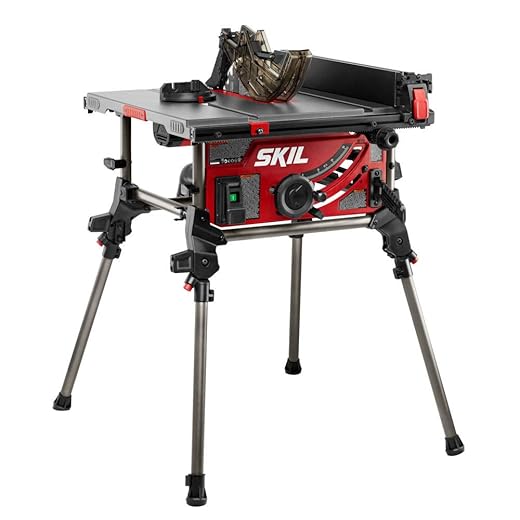
SKIL 10-inch Portable Jobsite Table Saw
We found this SKIL model to be the best pragmatic choice for users on a budget who still want a rack-and-pinion fence and a folding stand. It gives good rip performance and functional portability for DIYers and entry-level pros.
Overview
We evaluated the SKIL 10" jobsite saw as an entry-to-mid-level tool that borrows design cues from higher-end portables but keeps the cost down. It provides a 25-1/2" rip capacity and a 15 A motor, which covers the majority of common ripping and crosscutting tasks in small-shop and renovation scenarios.
What it does well
For hobbyists and occasional contractors the saw strikes an attractive balance: you get the precision benefits of a telescoping fence and a stout motor at a price point that keeps tool acquisition practical. We found that swapping the stock miter gauge for a higher-quality aftermarket unit immediately improves crosscut accuracy.
Caveats and field guidance
Final Thoughts
Our top recommendation for shops where safety and fine accuracy are non-negotiable is the SawStop Compact 10-inch CTS Table Saw. Its patented flesh‑sensing system is unmatched for preventing catastrophic injuries, and the rack‑and‑pinion fence plus micro‑tilt adjustments give very repeatable, true cuts. Choose the SawStop CTS when you do finish work, cabinetry, or teach others — prioritize safety without sacrificing cut quality.
For contractors and users who need the best mix of accuracy and jobsite mobility, we prefer the DEWALT 10-inch Rolling-Stand Table Saw. The rolling stand and robust drive deliver fast setup and high rip capacity, while the rack‑and‑pinion fence and solid motor provide repeatable performance on sheet goods and long rip cuts. Choose the DEWALT rolling‑stand model when you need dependable, frequent cuts across sites and want quick teardown/transport.
If you split time between a shop and active jobsites, those two cover the most common needs: SawStop for safety and precision; DEWALT for mobility and heavy-duty ripping.


