

After weeks of side-by-side listening, we reveal which one actually silences the chaos, which earns our daily-driver crown, and what trade-offs we’re happy to live with.
Surprising fact: our commute’s noise can crush focus, so we compare the Sony WH-1000XM5 and Bose 700 to pick headphones that fit commuting, work calls, and relaxed listening—focusing on comfort, sound, ANC, features, and value.
Travel Companion
We find these headphones excel at isolating us from distracting environments while delivering nuanced, enjoyable sound. Overall they strike an excellent balance of comfort, battery life, and customization that makes them ideal for travel and daily listening.
Call Focused

We appreciate the strong call performance and simple, reliable noise control that make these a solid choice for work and daily use. They trade a bit of battery endurance and deep tuning options for an approachable, well‑built experience.
Sony XM5
Bose 700
Sony XM5
Bose 700
Sony XM5
Bose 700
Design & Comfort: Which We’ll Wear All Day?
Build & materials
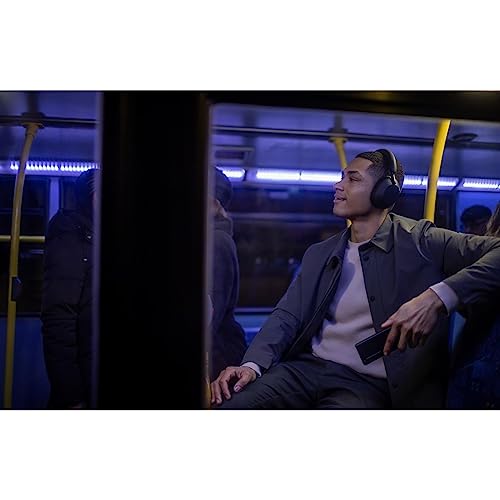
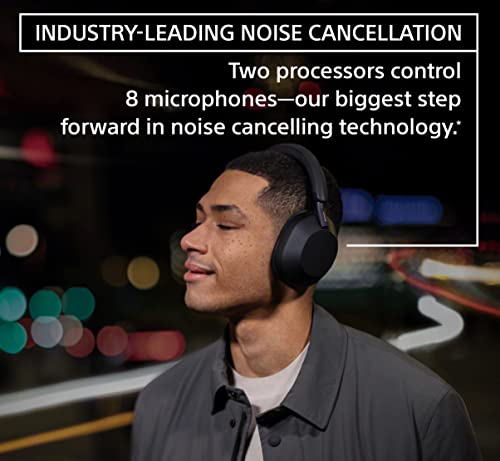
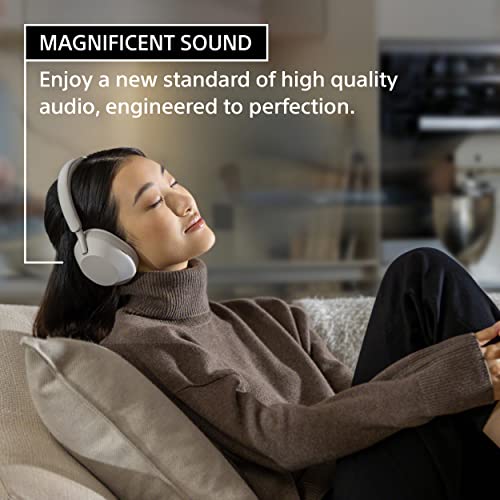
We notice the Sony XM5 adopts a modern, seamless look — soft synthetic leather, matte plastic yokes, and a near‑continuous headband that feels premium and light. The finish is dressy without being fragile.
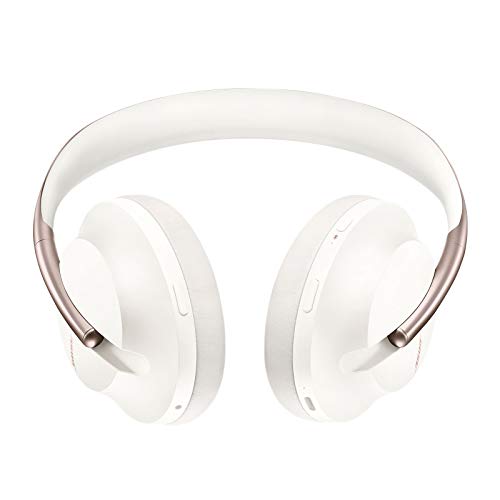
The Bose 700 leans minimalist: stainless‑steel headband, angled earcups and a smooth external shell. The Renewed listing means the unit may show very light scuffs or slightly compressed padding despite being inspected, so check the seller photos if pristine finish matters to us.
Fit & long‑wear comfort
Both weigh about the same on paper, but the XM5’s extra plush earcups and lower clamp feel gentler during multi‑hour sessions. We found them slightly better for glasses wear and for preventing hot‑spot build up on warm commutes.
Bose 700’s angled earcups lock on our ears for stable listening and excellent mic positioning for calls, but the clamp is a touch firmer out of the box. That firmness helps on active commutes but can get noticeable after long desk days.
Portability, case & commute handling
Sony’s case is soft, roomy enough for the non‑folding XM5 profile and a small cable — it’s bulkier in a bag but protects the seamless frame. The XM5 doesn’t fold flat, so we stash the case on flights.
Bose 700 earcups swivel to lay flatter and typically come with a slimmer hard case, making them slightly easier to pack. Renewed units may or may not include the original case in perfect condition — confirm before buying.
Sound Quality & Noise Cancellation: What We Actually Hear
We compare tuning, bass weight, midrange clarity, treble detail, and overall soundstage across podcasts, acoustic, and electronic tracks. We also evaluate voice clarity for calls. On ANC, we contrast Sony’s Auto NC Optimizer and multi‑mic array with Bose’s adjustable noise‑cancelling profile in real-world situations: airplane cabin, office hum, and street noise.
Tuning & tonal balance
Sony WH-1000XM5: warmer, slightly bass‑forward tuning that still preserves mid clarity. The XM5 gives electronic and bass‑heavy tracks extra impact without muddying vocals.

Bose 700: leaner, more neutral presentation with forward mids. Vocals and podcasts feel immediate and natural — a great fit when clarity of speech matters.

Bass, mids, treble & soundstage
Genre testing & call clarity
We listened to podcasts, acoustic, EDM, and cinematic scores. For EDM and action movie cues we preferred Sony’s weight and breadth. For spoken word and conference calls, Bose’s mid‑forward signature and adaptive mic system made speech clearer.
Call tests: Bose’s adaptive microphone system isolates our voice better in windy or busy settings. Sony’s beamforming mics are very good, but in the noisiest environments Bose pulls ahead.
ANC real-world performance
Bottom line: if we want punch and immersive listening, Sony; if we prioritize voice clarity and adjustable isolation for calls, Bose.
Features, Battery & Connectivity: Which Keeps Up With Us?
Battery & charging
We rely on long runtimes. The Sony WH-1000XM5 promises up to 30 hours and offers an aggressive quick‑charge: a 3‑minute top‑up gives ~3 hours, full charge in about 3.5 hours. The Bose 700 (Renewed) lists up to 20 hours — fine for a day or two of use, but noticeably shorter for heavy travel. In practice, Sony’s battery keeps us worry‑free on long flights; Bose asks for more frequent charging.
Codecs, multipoint & connection stability
Both headphones support multipoint pairing (two devices). We found Sony’s LDAC can trade stability for bitrate at longer ranges, but device switching and multipoint handling are smooth. Bose is rock‑steady for everyday phone/tablet switching, especially during calls.
Controls, voice assistants & app experience
Sony uses touch gestures plus wearing detection (auto‑pause) and a feature‑rich Sony Headphones Connect app (EQ, Adaptive Sound Control, Speak‑to‑Chat, firmware updates). Bose also uses touch controls with a dedicated button for voice assistant and the Bose Music app for ANC level control (11 levels) and updates — the app is simpler and less granular for EQ. Both support Alexa and Google Assistant; Bose’s mic system is especially good for voice pickup during calls.
Renewed product considerations (Bose 700)
When buying Renewed on Amazon, check:


Feature Comparison

Usability, App Experience & Value: Which Fits Our Budget and Routine?
Companion apps & customization
We prefer apps that make tweaks painless. Sony’s Headphones Connect gives deep EQ, Adaptive Sound Control, Speak‑to‑Chat and firmware updates — we can dial precise tonal changes and automate ANC behavior. Bose’s Bose Music app is simpler: excellent for setting one of 11 ANC levels quickly but offers less granular EQ. If fiddling with sound matters to you, Sony wins for control.
Call quality & hands‑free assistants
We test calls and voice control daily. Sony uses four beamforming mics with advanced processing and reliably captures our voice in many environments. Bose’s adaptive microphone array isolates speech exceptionally well — in noisy streets and cafés we still prefer Bose for clearer outgoing voice. Both support Alexa and Google Assistant; Bose’s dedicated button and mic pickup feel a touch more confident for hands‑free use.
Daily controls & practical usability
Both use touch controls and are intuitive after a short learning curve. Sony adds wearing detection (auto‑pause) and stable multipoint pairing plus faster battery life (30 hrs vs ~20 hrs), which reduces daily charging stress. Bose’s streamlined UI and angled fit are comfortable and straightforward if you favor simplicity over features.
Accessories, warranty & Amazon value
We weigh real‑world convenience: Sony gives more app control, longer battery and a full warranty for a modest price gap. Bose (Renewed) is attractive if mic performance and a cleaner UI are your priorities and you accept renewed‑product tradeoffs.
Final Verdict — Which One Fits Us?
We pick the Sony WH-1000XM5 as our overall winner for top-tier ANC, broader codec support, longer battery life, and deep sound customization. The Bose 700 (Renewed) wins when we want lighter, streamlined comfort, simpler controls, and superior call performance at a lower price.
For commuting choose Sony for noise blocking, for office work choose Bose 700 for calls and comfort, and for casual listening choose Sony for richer sound. Ready to buy on Amazon? Grab links and save today.
Author

Like this deal? Get deals like this every week.

